
We are delighted to announce that following keynote speakers have already confirmed their participation. A preliminary keynote lecture titel is indicated.
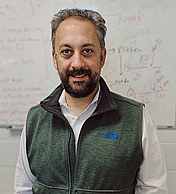
Prof. Seth Margolis
Johns Hopkins University, Baltimore, USA
FLOW of Proteins
“Activity-driven proteasome complexes: Bridging molecular mechanisms with organ physiology and translation”
Prof. Seth Margolis is a neuroscientist whose research elucidates key mechanisms of synaptic regulation and neuronal plasticity, particularly the role of the membrane proteasome in controlling local protein degradation at synapses. This work offers new insights into how neural circuits adapt and how disruptions contribute to disorders such as Alzheimer’s disease, autism, and other neurodegenerative or neurodevelopmental conditions. With the concept of the membrane proteasome, Prof. Margolis has opened an entirely new field of research.
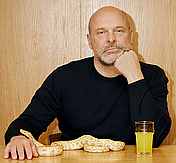
Prof. Tobias Wang
Aarhus University, Denmark
FLOW of Comparisons
“Similitude of oxygen and blood flows in animals and why it matters for model species”
Prof. Tobias Wang is a world-leading comparative physiologist whose research uncovers evolutionary principles of oxygen transport and blood flow across species. His approach integrates biomechanics, cardiovascular physiology, and evolutionary biology to explain why diverse species develop similar functional solutions for gas exchange and how such convergence enhances animal models in human physiology. His work forms a unique bridge between basic research, translational relevance, and experimental model selection to reveal fundamental design principles of vertebrate circulatory systems.
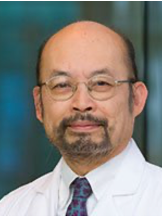
Prof. Orson Moe
University of Texas Southwestern Medical Center, Dallas, USA
FLOW of Signals
“The kidney as an endocrine integrator: The tripartite relationship of Phosphate, FGF23, and Klotho“
Prof. Orson Moe is a globally recognized renal physiologist whose work expands the functional scope of the kidney far beyond filtration and electrolyte regulation. He investigates the kidney as an endocrine integration organ coordinating mineral metabolism, energy homeostasis, and systemic signaling pathways. His research demonstrates how renal hormones, metabolic sensors, and inter-organ communication contribute to the pathophysiology of chronic kidney disease, osteopathies, metabolic syndrome, and cardiovascular complications. His work highlights system-level perspectives linking molecular mechanisms with translational relevance.
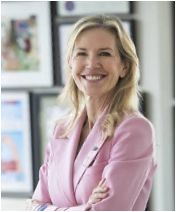
Prof. Susan Quaggin
Northwestern University Feinberg School of Medicine, Chicago, USA
FLOW of Blood
“Endothelium, lymphatics and mechanosensation: Re-drawing the map of organ physiology”
Prof. Susan Quaggin is an internationally leading expert in vascular and lymphatic biology whose research redefines fundamental mechanisms of endothelial function, vascular development, and organ homeostasis. She demonstrates how endothelial signaling pathways, mechanosensitive processes, and interactions between blood and lymphatic vessels govern organ architecture, and how disruptions lead to diseases such as glaucoma, renal fibrosis, and vascular malformations. Her work uniquely integrates molecular mechanisms with clinically relevant concepts and opens new therapeutic perspectives.
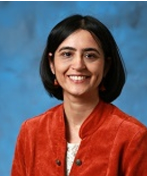
Prof. Medha Pathak
University of California, Irvine, USA
FLOW of Force
“Mechanotransduction in development and repair: Piezo1 as a universal sensor in organ physiology”
Prof. Medha Pathak is a leading expert in mechanotransduction whose research shows how mechanical forces control cell behavior, tissue development, and regenerative processes. Through her pioneering work on Piezo1 as a universal mechanosensitive ion channel, she has identified principles spanning vascular development, immune responses, and neuronal and epithelial repair mechanisms. She stands out for linking molecular biophysics, cell biology, and translational approaches.
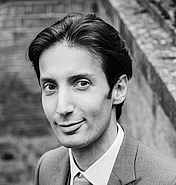
Prof. Denis Burdakov
ETH Zurich, Switzerland
FLOW of Nutrients
“How the brain’s arousal system manages energy and behaviour under real-world constraints”
Prof. Denis Burdakov is a leading neuroscientist whose research reveals how neural circuits coordinate energy balance, arousal, and behavior under real physiological conditions. His work on hypothalamic networks, including orexin-expressing and metabolically sensitive neurons, demonstrates how the brain integrates environmental stimuli, internal energy reserves, and behavioral priorities. He combines cutting-edge imaging, cellular physiology, and in-vivo behavioral analysis to uncover fundamental principles of metabolic and stress regulation.
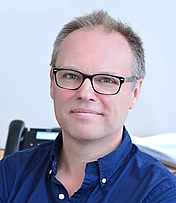
Prof. Gero Miesenböck
University of Oxford, United Kingdom
FLOW of Sleep
“Why we have to sleep: Neural and metabolic homeostats from flies to humans”
Prof. Gero Miesenböck is a visionary neuroscientist who revolutionized circuit neuroscience through the development and application of optogenetics. His research reveals how specific brain networks regulate sleep, wakefulness, and metabolic homeostasis across evolution—from Drosophila to humans. By combining precise manipulations of defined neuronal populations with systems-level behavioral physiology, he provides causal insights into sleep regulation, energy balance, and fatigue mechanisms.

Prof. Susan Wray
University of Liverpool, United Kingdom
FLOW of Life (Christian Bohr Prize)
“The physiology of birth: Rethinking uterine function in modern obstetrics”
We are delighted to welcome Susan Wray as the laudator for the 2026 Christian Bohr Prize. Throughout her successful scientific career, Susan Wray has fundamentally shaped our understanding of smooth muscle—particularly uterine physiology. Her research combines mechanistic precision with clear clinical relevance and has substantially advanced knowledge of labor, childbirth, and related disorders. She is an internationally recognized mentor who drives scientific networks forward and consistently supports the next generation of researchers. Through her exceptional scientific excellence, her lasting impact on the field, and her dedicated service to the physiological community, she embodies the core values of the Christian Bohr Prize.
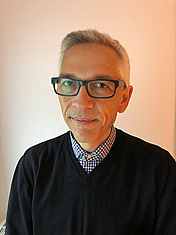
Prof. Boye L. Jensen
University of Southern Denmark, Denmark
FLOW of Ions (Ulf von Euler Prize)
“Innovations in nephrology: Protease-driven pathways and future treatment modalities”
With Boye L. Jensen, a leading expert in vascular physiology will be honored in 2026, whose work has significantly advanced our understanding of endothelial function, signal transduction, and vascular homeostasis. His research combines innovative methodologies with exceptional scientific rigor and has elucidated key mechanisms of vascular regulation that are crucial for cardiovascular health and disease. Jensen is also an inspiring academic teacher whose commitment to education and interdisciplinary collaboration has strengthened the field of physiology in a lasting way. Through his scientific excellence, international impact, and continuous contribution to advancing the discipline, he embodies the core values of the Ulf von Euler Prize.
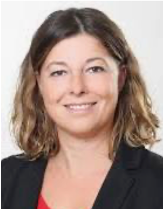
Prof. Gemma Mazzuoli-Weber
Stiftung Tierärztliche Hochschule Hannover, Germany
FLOW of Digestion (Teaching Lecture)
“Interaction of the enteric nervous system and students of physiology”
As part of our annual instructional development session in physiology, we are pleased to welcome Prof. Gemma Mazzuoli-Weber (Hannover Medical School). She is not only a leading and methodologically versatile scientist in the field of mechanosensitivity of enteric neurons and their role in gastrointestinal motility, but also an exceptionally dedicated educator at the Institute of Physiology and Cell Biology in Hannover.
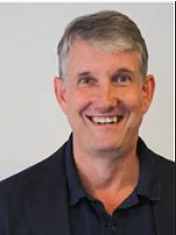
Prof. Frank Schweda
University of Regensburg
FLOW of Urine (Public Lecture)
“Nieren, wie sie funktioNIEREN: Risiken und Chancen für unsere Gesundheit“
“How kidneys work: Risks and chances for our health“”
As an internationally recognized expert in renal physiology, Prof. Frank Schweda consistently bridges cutting-edge science with everyday health relevance. His research has significantly advanced our understanding of renal regulation, hypertension, and hormonal control, providing a strong foundation for addressing both disease risks and preventive strategies. He is known for an experienced and compelling communication with students, making him ideally suited to educate and inspire a broad public audience on “How kidneys work: risks and chances for public health.”
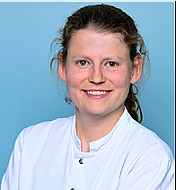
Dr. Dorothee Heinrich
Asklepios Klinik Hamburg
Hamburg with FLOW
Dr. Dorothee Heinrich will guide the physiology audience on a virtual journey of discovery through Hamburg. As a dedicated physician with deep physiological understanding, she combines professional expertise with a remarkable ability to present complex topics in a lively, clear, and well-structured manner. Through her long-standing connection to Hamburg, she knows the city in all its facets and conveys it with infectious enthusiasm, weaving together historical landmarks, modern research, and the city’s dynamic character into an inspiring whole. In doing so, she ensures an informative, captivating, and at the same time highly enjoyable experience for all participants.